
Last updated October 16, 2026
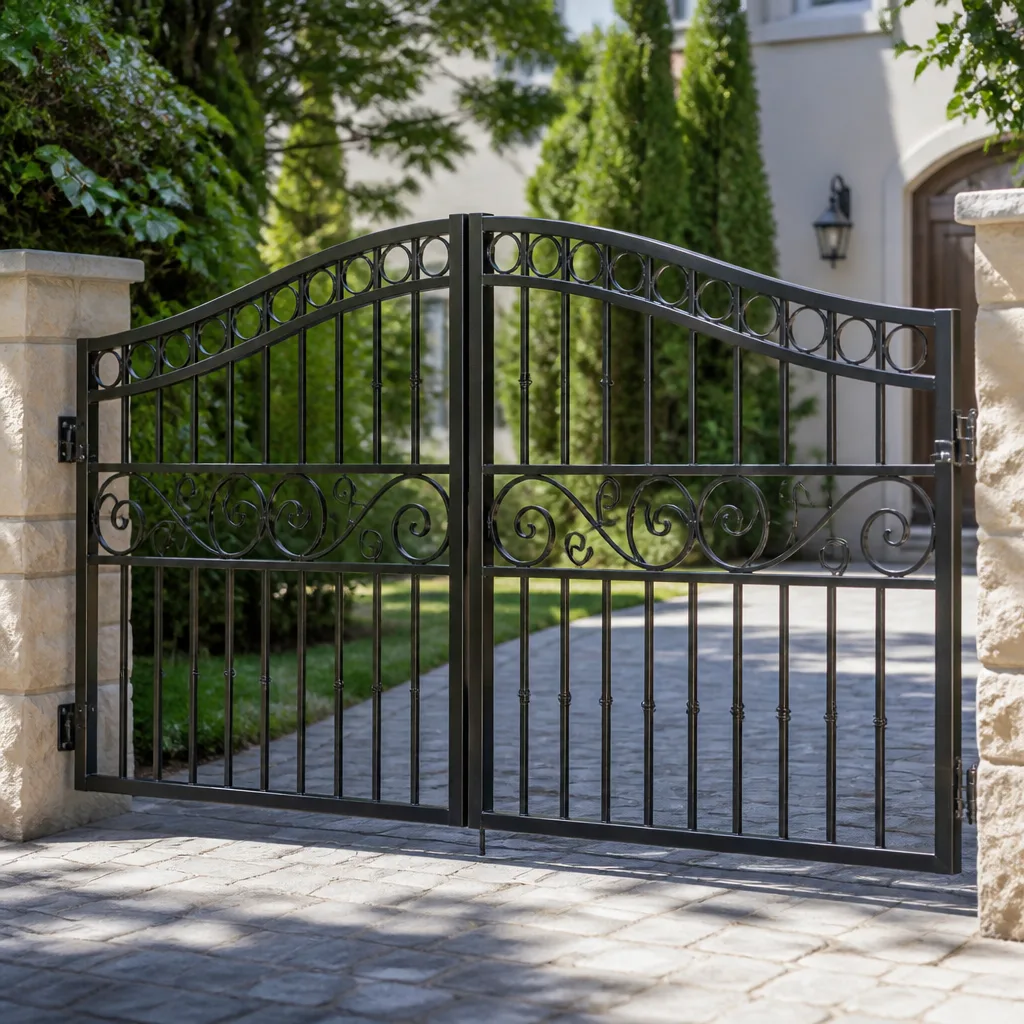 Wrought iron
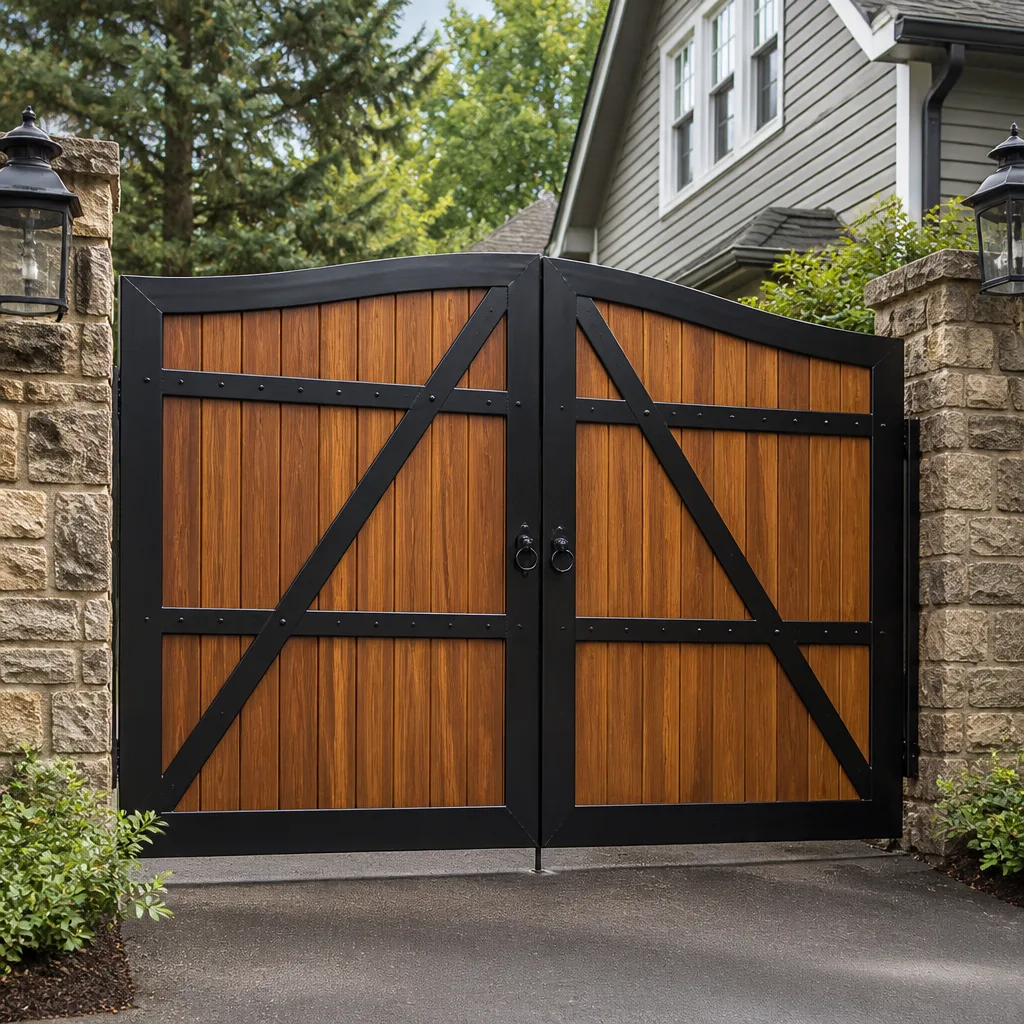 Wood & steel frame
 Farm & ranch
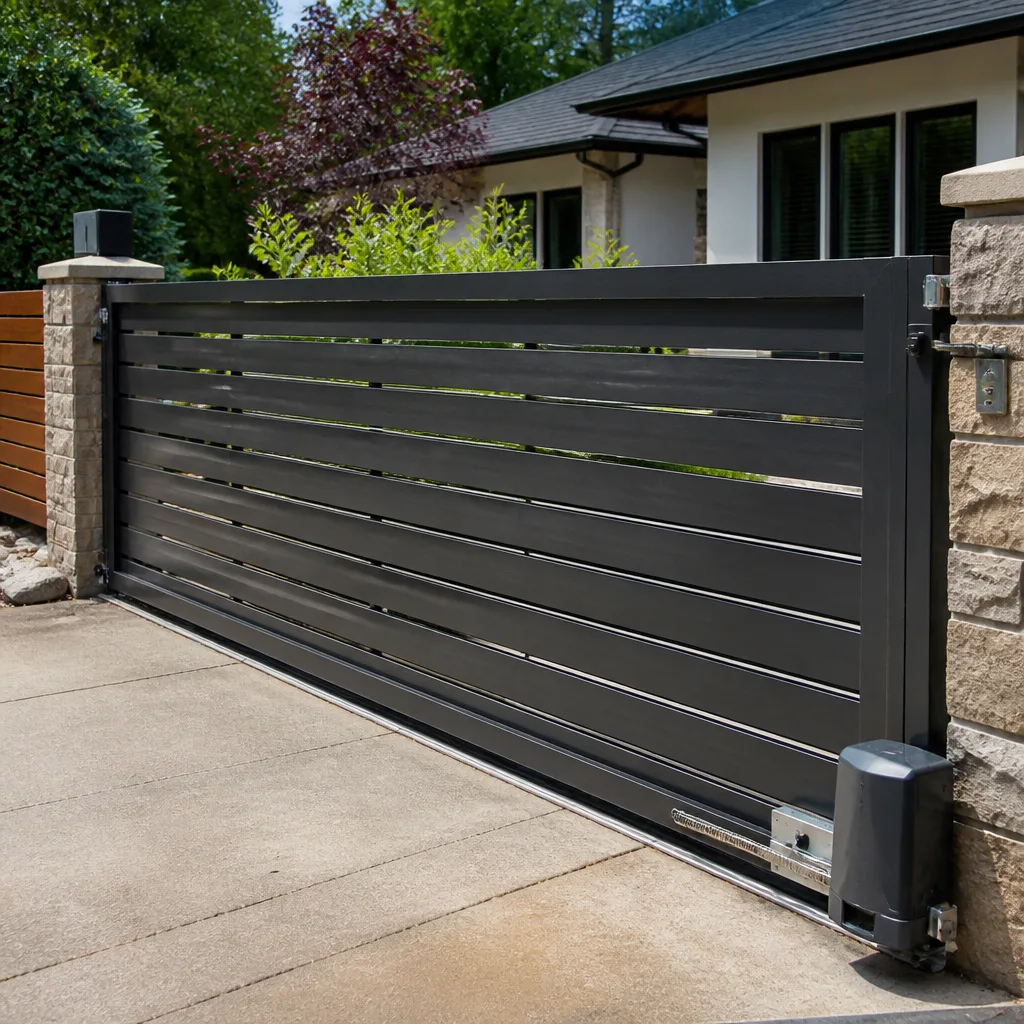 Sliding driveway gates
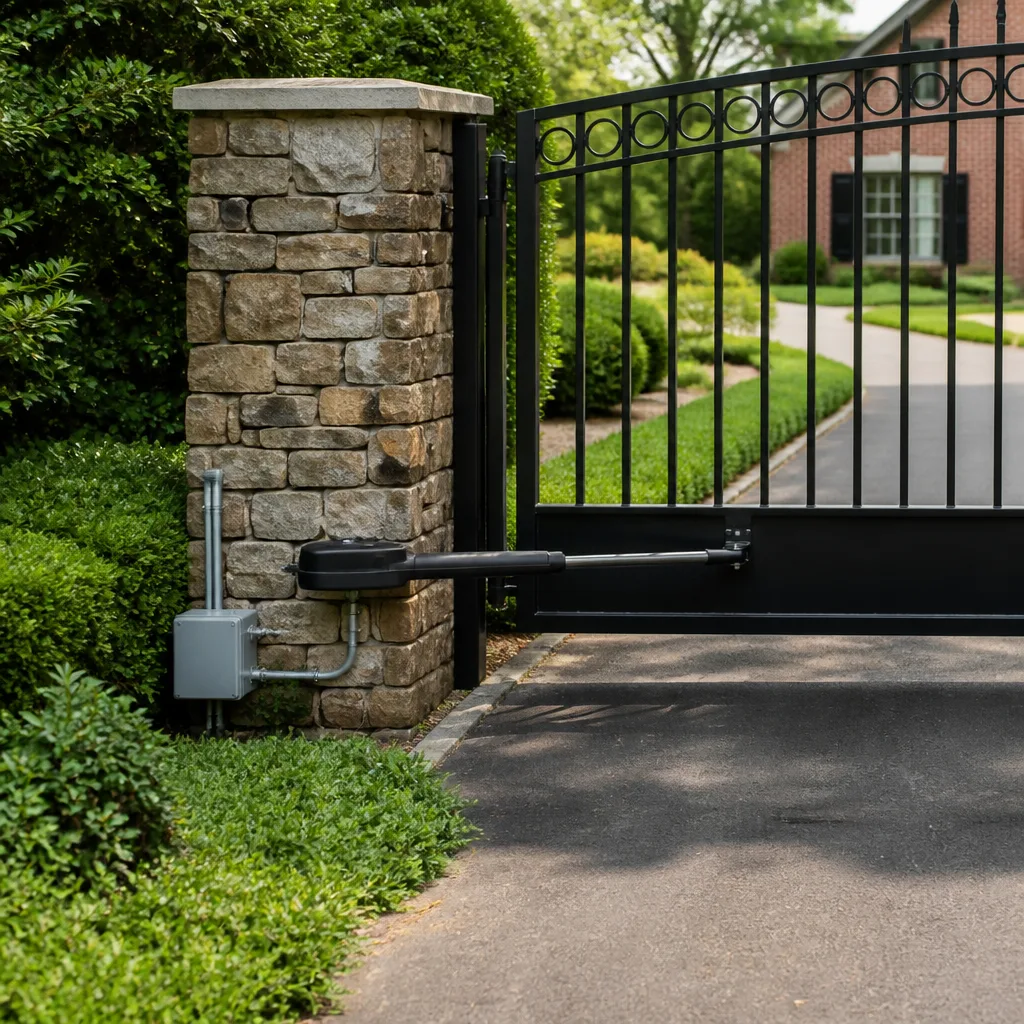 LiftMaster operators
Free on-site gate assessment - hinges, posts, and your LiftMaster or Nice gate operator checked before anything is quoted
The assessment is free and the quote is the invoice.
Get your free estimateSeasonal Gate Repair Care for Santa Clarita: Year-Round Homeowner’s Guide
Gate repair calls in Santa Clarita spike in October, not because of the heat itself but because of what the heat spent all summer doing to rubber seals, wiring insulation, and grease viscosity. By the time the first Santa Ana winds arrive, already-stressed hardware gives out. This guide explains which maintenance task matters most in each season, when to do it, and what you can safely handle yourself versus when to call a professional. We’re writing this as a Santa Clarita Gate Repair services company that has seen the same seasonal failure patterns repeat for years.
Styles & brands we work with
Quick Answer
Seasonal gate maintenance in Santa Clarita comes down to four priorities: re-greasing with high-temperature grease before summer, inspecting hinges and welds after Santa Ana wind season, checking photo-eyes and loop detectors in fall, and testing battery backup before fire-weather season. Each season has one dominant failure mode, and handling it before the season turns is cheaper than repairing the damage after.
Table of Contents
- Why Santa Clarita Weather Is Harder on Gates Than Most of California
- Spring (April-May): Pre-Summer Preparation
- Summer (June-September): Heat, UV, and Fire Season Survival
- Fall (October-November): Santa Ana Winds and Debris Season
- Winter (December-March): Freeze-Thaw Cycles and Elevation Effects
- The Month-by-Month Gate Maintenance Calendar
- PSPS Events and Your Gate Opener: What to Do After an Outage
- Common Mistakes to Avoid
- When to Call a Professional
- Frequently Asked Questions
- The Bottom Line
Why Santa Clarita Weather Is Harder on Gates Than Most of California
Santa Clarita sits in a unique climate pocket. The valley floor routinely sees summer temperatures above 100°F, with sustained stretches over 105°F in July and August. That heat does measurable damage to gate hardware. Rubber seals and gaskets dry out and crack. Wiring insulation becomes brittle. Grease thins out and drips away, then re-solidifies unevenly when temperatures drop at night. The gate motors we repair in Santa Clarita often show the same internal pattern: heat-stressed capacitors and hardened bearing grease that would have survived just fine in a coastal climate like Ventura.
Then there’s the wind. Santa Ana events between October and February bring sustained gusts that push against the full face of a sliding or swinging gate, adding hundreds of pounds of lateral force at the hinge and roller points. A tiny stress crack in a hinge weld that forms during one wind event becomes a snapped gate by the next one. The elevation difference across the Santa Clarita Valley adds another variable. Upper areas like Agua Dulce and Acton regularly see overnight freezes in winter that the valley floor never experiences, and that freeze-thaw cycling works on concrete post footings in ways we’ll address below.
This combination of extreme heat, wind, and elevation-specific cold means the generic maintenance advice you’ll find for Southern California does not fit Santa Clarita. The timing of when you grease, what type of grease you use, and what you inspect after each season has to be specific to this valley.
Spring (April-May): Pre-Summer Preparation
Spring is the most important maintenance window in Santa Clarita, and it has the narrowest timing. You want to get heat-critical work done before ambient temperatures consistently exceed 85°F. Here’s what matters and why.
Re-Grease Before the Heat Arrives
Standard lithium grease breaks down at sustained temperatures above 85°F. If you’re greasing your gate track, hinges, or roller wheels in June when it’s already 95°F outside, the grease is fighting a losing battle from the first day. Use a high-temperature grease rated for at least 150°F. Apply it to the track, the roller wheels, the hinge pins, and the gate components that move. In our experience working on gates across Santa Clarita, the most common spring mistake is using the same general-purpose grease homeowners already have in their garage. It lasts about three weeks in a Santa Clarita summer.
Check Wiring Insulation for UV Damage
Ultraviolet radiation degrades the plastic insulation on low-voltage wiring over time. In Santa Clarita, the valley’s 300-plus sunny days per year mean that degradation happens faster than in most of the state. Walk the length of your gate’s exposed wiring runs during spring. Look for chalky, faded, or cracked insulation. Pay special attention to where wiring enters the gate motor housing and where it flexes with the gate’s movement. Brittle insulation cracks during summer heat expansion, and once exposed copper touches metal or moisture, you get a short that can take down the control board. If you’re comfortable doing visual inspection, this is safe work. If you find cracking, leave the repair to a professional, since replacing wiring on electric gate systems often involves working inside the motor housing.
Test Battery Backup Before Fire Season
Most automatic gate openers in Santa Clarita have battery backups for a specific reason: fire season. When power shuts off, either from a PSPS event or an actual emergency, your gate needs to keep working so you can leave quickly. Batteries degrade over time, and a battery that worked fine last October may be effectively dead by April. Test yours in spring by cutting power to the opener at the breaker and operating the gate a few times on battery alone. If the gate moves slowly or the battery warning indicator appears, replace the battery now rather than discovering the failure in September. Also note the battery’s age. Most backup batteries last two to four years depending on heat exposure, and Santa Clarita heat shortens that lifespan.
Clear the Track and Check the Chain or Belt Tension
Sliding gates accumulate debris in the track from winter winds and spring growth. Clear leaves, dirt, and any small rocks. Then check the drive chain or belt tension. A chain that’s too tight strains the motor. A chain that’s too loose can jump the sprocket under load. The sweet spot is about half an inch of deflection in the middle of the span. If you’re not measuring deflection accurately, it’s better to call a professional than to guess, because an incorrectly tensioned chain on a heavy gate does damage quickly.
Summer (June-September): Heat, UV, and Fire Season Survival
Summer is the season when gates in Santa Clarita take their biggest beating. This is not the time for major maintenance. It’s the time for monitoring, quick checks, and knowing what failure looks like before it strands you.
Watch for Grease Breakdown and Grit Accumulation
Even high-temperature grease thins in sustained 100°F-plus conditions. As it thins, it attracts dust and grit, creating an abrasive slurry that accelerates wear on the track and rollers. During July and August, once a month, run your hand along the track near the rollers. If you see the grease turning from amber to dark gray or black, wipe away what’s there and apply fresh high-temperature grease. This is a ten-minute task that meaningfully extends the life of your rollers and track.
Listen for Motor Strain
Heat increases the electrical resistance inside your gate motor, which means the motor works harder to move the same gate. A motor that hums contentedly in January produces a higher, tighter sound in August. What you’re listening for is a change from the motor’s normal sound. A grinding noise indicates bearing wear. A clicking sound often indicates a failing capacitor. A motor that runs but the gate moves slowly can mean the capacitor is starting to go. None of these are DIY repairs, but catching the sound early and calling a Warden Gate Repair Santa Clarita technician when you first hear it prevents the motor from failing entirely and taking the control board with it.
Keep the Photo-Eyes Aligned and Clean
Photo-eyes are the safety sensors mounted on either side of the gate opening that detect obstructions and reverse the gate’s direction. Heat causes the metal brackets holding them to expand and contract, which can knock them slightly out of alignment. Even a half-degree shift can cause the gate to refuse to close or to reverse unexpectedly. During summer, once a month, wipe dust from the photo-eye lenses with a dry cloth and check that the small indicator light on each unit is on and steady. A blinking light usually indicates misalignment. If a simple visual check shows both lights steady, your photo-eyes are probably working. If one blinks, call us.
Fire Season and Your Gate
During high fire-danger periods, one of the biggest concerns for Santa Clarita homeowners is whether their gate will open quickly in an emergency. The battery backup and motor health checks from spring pay off here. Also confirm that your gate opens fully without hesitation and that nothing is stored directly in the gate’s path. In an evacuation, a gate that fails mid-open or that has debris in its track is a serious hazard, not just an inconvenience. If your gate shows any sign of hesitation during fire season, call us immediately. We cover this in more detail in the PSPS section below.
Fall (October-November): Santa Ana Winds and Debris Season
October is the busiest month for gate repair calls in Santa Clarita, and it’s not difficult to explain why. The Santa Ana winds arrive just as gates have spent four months being cooked by summer heat.
Inspect Hinge Welds and Gate Hardware After Wind Events
Santa Ana winds can push a solid gate with enough force to create micro-cracks in hinge welds and mounting brackets. These cracks are often invisible without close inspection. They start as hairline fractures and grow with each successive wind event until the hinge fails, frequently with no warning. The failure can send a gate panel off its track or onto a vehicle. After the first major Santa Ana event, visually inspect every hinge and weld point. Look for a thin dark line or rust staining at the weld site, which is an indicator of a crack beginning to form. A wire brush can expose cracks hidden under surface rust. If you see anything that looks like a crack, stop using the gate and call a professional. A trained technician can assess whether a weld repair is sufficient or the hinge needs replacement. This is a safety issue, not a cosmetic one.
Clean and Test Photo-Eyes and Loop Detectors After Debris Season
Fall brings leaves, twigs, and wind-blown debris, and all of that material ends up in two places: the gate track and the photo-eye lenses. Debris on the lenses causes erratic gate behavior. Debris in the track causes motor strain. The wind itself can shift the photo-eye brackets, knocking them out of alignment. Spend a few minutes after the first sustained wind event clearing debris and wiping lenses. Then test the photo-eyes by opening the gate and placing an object in the path before closing. If the gate fails to reverse, the photo-eyes need attention.
Loop detectors, the wire loops embedded in the driveway that detect vehicles and keep the gate open, can also shift because of ground temperature changes. In our experience, Santa Clarita sees a small uptick in loop-detector failures every fall, and the cause is usually thermal expansion and contraction breaking a loop wire under the driveway. If your gate fails to detect your car on the exit loop but opens fine from the keypad, note that pattern. It points to a loop issue rather than a motor or board issue, and knowing the specific symptom saves diagnostic time.
Test Manual Release After the First Cold Snap
Every automatic gate should have a manual release that allows you to operate the gate by hand. In Santa Clarita, many homeowners have never used theirs. The first cool nights of October are the right time to test it. If the release key is seized, the gate is trapped if the motor fails or power goes out. The manual release is usually a small keyed lock or a pull lever on the motor housing. Applying the key and operating the gate by hand once confirms the release works. Lubricating the release mechanism once a year prevents seizure.
Winter (December-March): Freeze-Thaw Cycles and Elevation Effects
Winter in Santa Clarita depends heavily on where you live. The valley floor rarely drops below freezing. The upper elevations, Agua Dulce, Acton, and parts of Canyon Country, see freezing nights every winter. If you’re in one of those areas, this section matters. Even if you’re in the lower valley, the cold-weather checks below are worth doing.
Post-Heave: The Overlooked Winter Hazard
Concrete post footings are set in soil. When soil freezes and thaws, it expands and contracts, and that movement can shift a gate post a few millimeters in a single winter. That doesn’t sound like much, but a shifted post changes the alignment of the gate. The gate then rubs against the post, the latch no longer lines up, or the track drops slightly out of level. The result is a gate that catches, scrapes, or refuses to close fully. In upper Santa Clarita elevations, we’ve seen winter post-heave misalign a gate enough to strain the motor and shorten its life. The check is simple. Run the gate through a full open-and-close cycle and watch for any catching, scraping, or change in the way the gate sits against the stop post. Also inspect the soil level around the post base for visible buckling or settlement. If the gate isn’t sitting right, a professional can determine whether the post needs re-setting or the gate can be re-aligned.
Grease Viscosity in Cold Weather
The high-temperature grease you applied in spring is still the right product in winter, but it behaves differently when cold. Below about 40°F, even high-temp grease thickens, which means the gate motor has to work harder on cold mornings. If you live in Agua Dulce or Acton and notice your gate moving noticeably slower on cold mornings, that’s the grease, not the motor. It’s not a failure, but you’ll want to use a slightly lighter application in winter or switch to a cold-weather-rated grease. Any good auto-parts store has grease rated for cold conditions, or you can have a professional service the gate so the right product is used for your specific setup.
Metal Contraction and Gate Alignment
Metal contracts when it’s cold. A steel gate panel in freezing temperatures can be a fraction of an inch shorter than it was in July. For most gates, that’s negligible. For gates with tight clearances between the panel and the post, or between the gate and the track, cold contraction can cause binding. The most common symptom is a gate that works fine all day but binds on particularly cold mornings. If you see this, note the temperature when the binding happens and mention it to whoever services your gate. It’s a solvable issue, but the solution depends on the specific gate design and clearances.
The Month-by-Month Gate Maintenance Calendar
Print this section or save it to your phone. Each month has one task that takes roughly ten minutes. Miss a month and the next month’s task covers it within reason.
- January: Run the gate through a full cycle and listen for any new sound from the motor. Cold weather makes impending bearing failures easier to hear.
- February: Inspect post bases for signs of heave or settlement, especially if you live above 1,500 feet elevation in Santa Clarita.
- March: Clear the track and check for winter debris accumulation. Wipe down the photo-eye lenses.
- April: Test battery backup by cutting power at the breaker and operating the gate a few times. Replace the battery if it’s slow or dead. Now is the time, before fire season.
- May: Re-grease the track, hinges, and rollers with high-temperature grease rated for at least 150°F. Check wiring insulation for UV cracking.
- June: Check photo-eye alignment. Heat expansion can shift brackets. Both indicator lights should be on and steady.
- July: Run the gate and listen for motor strain. A grinding noise means bearing wear. A clicking sound means a failing capacitor. Neither is a DIY fix.
- August: Check grease condition. If it’s turned dark gray or black from grit, wipe and re-apply.
- September: Complete a final pre-fire-season check. Confirm the gate opens fully without hesitation and that nothing is stored in the gate’s path.
- October: After the first Santa Ana event, inspect hinge welds closely for micro-cracks. Clean debris from the track and lenses.
- November: Test the manual release. Use the key or lever to operate the gate by hand once. Lubricate the release mechanism.
- December: Run the gate through a full cycle on a cold morning and check for catching, scraping, or binding. Note any issues along with the temperature.
PSPS Events and Your Gate Opener: What to Do After an Outage
Public Safety Power Shutoff (PSPS) events are a fact of life in Santa Clarita during high fire-danger conditions. Your automatic gate opener is directly affected by these outages, and what happens in the 72 hours after power is restored determines whether your opener survives the next one.
What Happens to Your Opener During a PSPS Event
When power is cut to your gate opener, the unit shuts down. The battery backup, if it’s working, allows you to operate the gate manually through the opener. If the backup battery is dead, which is common on older units, you’ll need to use the manual release. The real risk comes when power is restored, not when it goes out.
When Southern California Edison restores power, the voltage doesn’t always come back clean. There can be a voltage surge or a brief fluctuation as the grid stabilizes. That surge can damage the control board inside your gate opener, and the damage often doesn’t show up immediately. A board that experienced a surge may work fine for days or weeks before failing. We’ve seen Santa Clarita homes where a gate opener was damaged by a surge during a PSPS event and didn’t fail until the next major heat wave.
What to Do in the 72 Hours After Power Returns
- Wait for full power restoration before testing the gate. Don’t test the gate during the restoration window when voltage is still unstable.
- Once power is stable, run the gate through a full open-and-close cycle. Note whether the motor sounds normal, whether the gate moves at its usual speed, and whether the keypad and remote still function.
- Check the battery backup indicator. Many openers have a light or display that indicates battery health. If the battery was depleted during the outage, it needs time to recharge. If the opener is showing a battery fault after recharging, the battery likely needs replacement.
- Watch for delayed failures. Over the following weeks, pay attention to any new behavior: a gate that reverses without cause, a keypad that works intermittently, a remote that lost programming. These can all be symptoms of surge damage to the control board.
If your opener fails after a PSPS event or you suspect surge damage, the repair is typically a control board replacement or a battery replacement. Both are jobs for a trained technician because they involve working inside the opener with energized components. Motor and control board work is not something we recommend homeowners do themselves.
Common Mistakes to Avoid
- Using general-purpose grease in a Santa Clarita summer. It breaks down above 85°F and leaves your track and rollers grinding with every cycle. Use high-temperature grease rated for at least 150°F, and re-apply it before summer starts, not after.
- Ignoring a slow gate. A gate that moves a little slower than it used to is not a minor issue. It’s almost always a sign of motor strain, low battery, or track resistance, and all three of those problems get more expensive the longer they go unaddressed.
- Skipping the battery backup test. In Santa Clarita, your battery backup is not a luxury. It’s what gets your gate open during a PSPS event or an evacuation. Test it every spring and replace it every two to four years, or more often if the gate sits in direct sun.
- Using a pressure washer on the gate track or motor housing. High-pressure water forces grit into bearings and can breach the seal on the motor housing, leading to internal corrosion. Use a dry brush and a cloth, not a pressure washer.
- Lubricating the chain with WD-40. WD-40 is a solvent, not a lubricant. It strips the existing grease off your chain and leaves it effectively dry. Use actual chain lubricant or the grease specified for your gate system.
- Waiting until the gate fails to look for cracks in the welds. Hairline cracks in hinge welds are findable and repairable for a fraction of the cost of replacing a dropped gate. Inspect after every major Santa Ana event, and don’t ignore rust staining at weld points.
- Forgetting that the manual release exists. If you don’t know where your gate’s manual release key or lever is, find out now. If the motor fails and the release is seized, the gate is stuck, and in an emergency that’s the last thing you want to discover.
When to Call a Professional
Some gate work is safe to do yourself, like clearing debris, wiping photo-eye lenses, and checking grease condition. Other work is genuinely dangerous or requires specialized knowledge, as we explain in our DIY vs Professional Gate Repair: The Santa Clarita Homeowner’s Decision Guide. The torsion springs on a swinging gate are under enormous tension and can cause serious injury if they snap during adjustment. The control board inside a gate opener carries live voltage and is easily damaged by an amateur’s touch. Hinge weld inspection and repair is a job for someone who can assess structural integrity correctly and weld properly. If you’re seeing a crack, hearing a grinding noise, noticing a gate that’s sagging, or dealing with an opener that won’t respond, call a professional. Warden Gate Repair Santa Clarita offers free estimates in Santa Clarita, and our technicians are factory-trained on LiftMaster, DoorKing, Elite, Mighty Mule, and five other major brands. Call (661) 425-9011 and we’ll send a technician with a written price before any work begins.
Frequently Asked Questions
A standard seasonal maintenance visit in Santa Clarita typically costs between $129 and $249, depending on the gate type, opener brand, and how much work is involved. Slide gate services lean toward the upper end because of track and roller work. Call (661) 425-9011 for an exact quote, and remember that the written price is locked in before any work starts.
You can safely handle monthly tasks like clearing debris, wiping photo-eye lenses, and visually checking grease condition. Leave any work involving springs, control boards, wiring, or weld repair to a professional. Those components carry genuine injury or damage risk, and in our experience, well-meaning DIY work on a spring or a board usually costs more to fix than the original problem would have.
Use a high-temperature grease rated for at least 150°F. Standard lithium grease thins and drips away during Santa Clarita’s summer heat, leaving metal grinding on metal. Apply the grease to the track, roller wheels, hinge pins, and drive chain before ambient temperatures exceed 85°F in spring.
Expect two to four years from a gate opener battery in Santa Clarita, with shorter lifespans if the opener sits in direct sun. Test the battery every spring by cutting power at the breaker and running the gate on battery. If the gate moves slowly or the battery indicator shows a fault, replace it before fire season. Call (661) 425-9011 if you’re not sure whether your battery needs replacing.
Metal contracts in cold temperatures, and gates with tight clearances can bind in the cold even though they run fine in the heat. If you live in upper Santa Clarita elevations like Agua Dulce or Acton and your gate binds on cold mornings, the fix usually involves a small clearance adjustment. Note the temperature when the binding happens and tell your technician. This helps us diagnose the issue quickly.
Inspect the hinge welds and mounting brackets for cracks after any major wind event. If you see a crack or rust staining at a weld point, stop using the gate and call a professional immediately. A cracked hinge can fail without additional warning and drop a heavy gate panel. Warden Gate Repair Santa Clarita offers free estimates, so call (661) 425-9011 and we’ll assess the damage and give you a written price.
The Bottom Line
Santa Clarita’s climate punishes gates in ways that milder California regions never see. Heat cooks grease and wiring, wind stresses welds and brackets, and freeze-thaw cycles shift post footings in the upper elevations. The solution is a consistent, seasonal routine: prepare in spring for the heat, monitor in summer for motor strain, inspect in fall after the winds, and watch for cold-weather binding in winter. Each task takes a few minutes and the checklist is straightforward. If you find something you’re not comfortable handling, or if you’d rather have a professional do the whole seasonal service, we’re here. For The Complete Guide to Gate Repair in Santa Clarita, see our detailed resource. Warden Gate Repair Santa Clarita has been serving this valley since 2008, and every visit comes with a written price, a technician you know by name and photo before arrival, and a 365-day guarantee. Call (661) 425-9011 for a free estimate.
Written by Cole Rafferty, Owner at Warden Gate Repair Santa Clarita, serving Santa Clarita since 2008.
See the difference
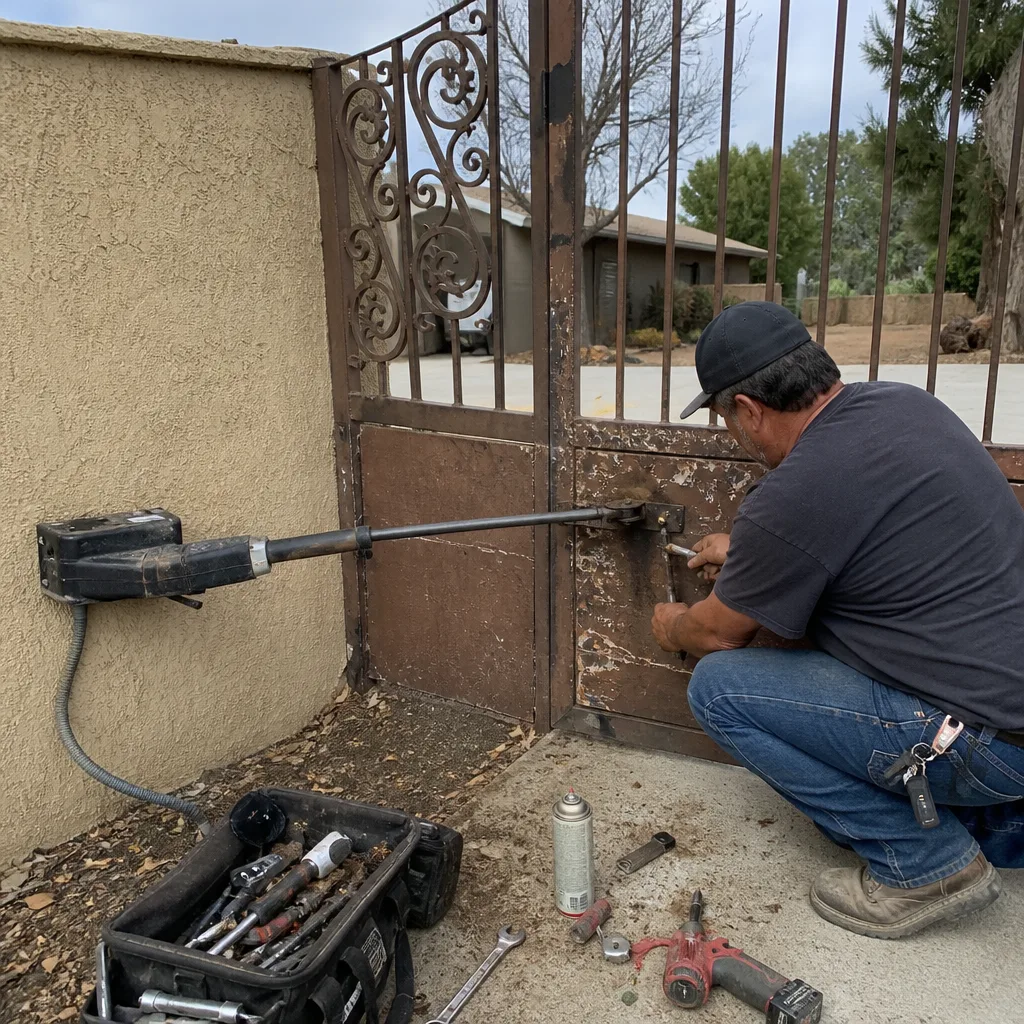 Before
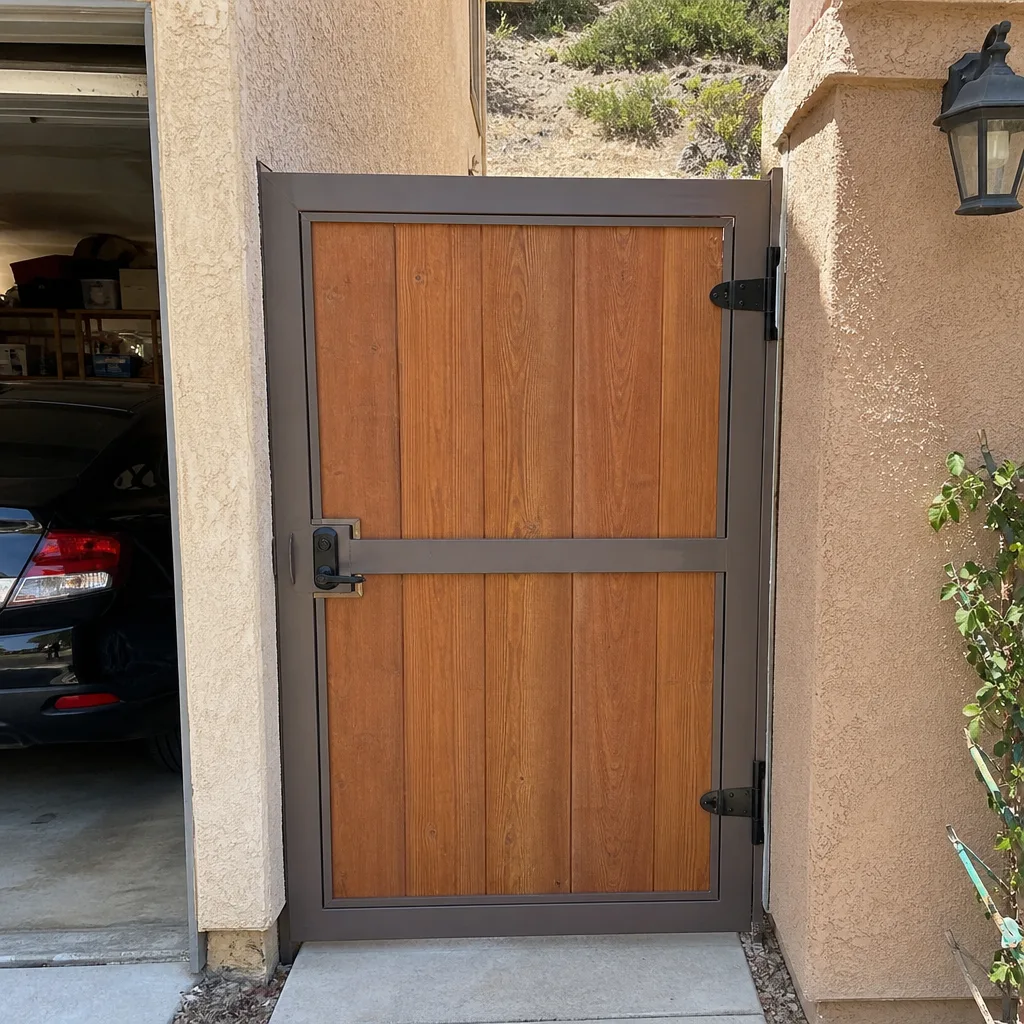
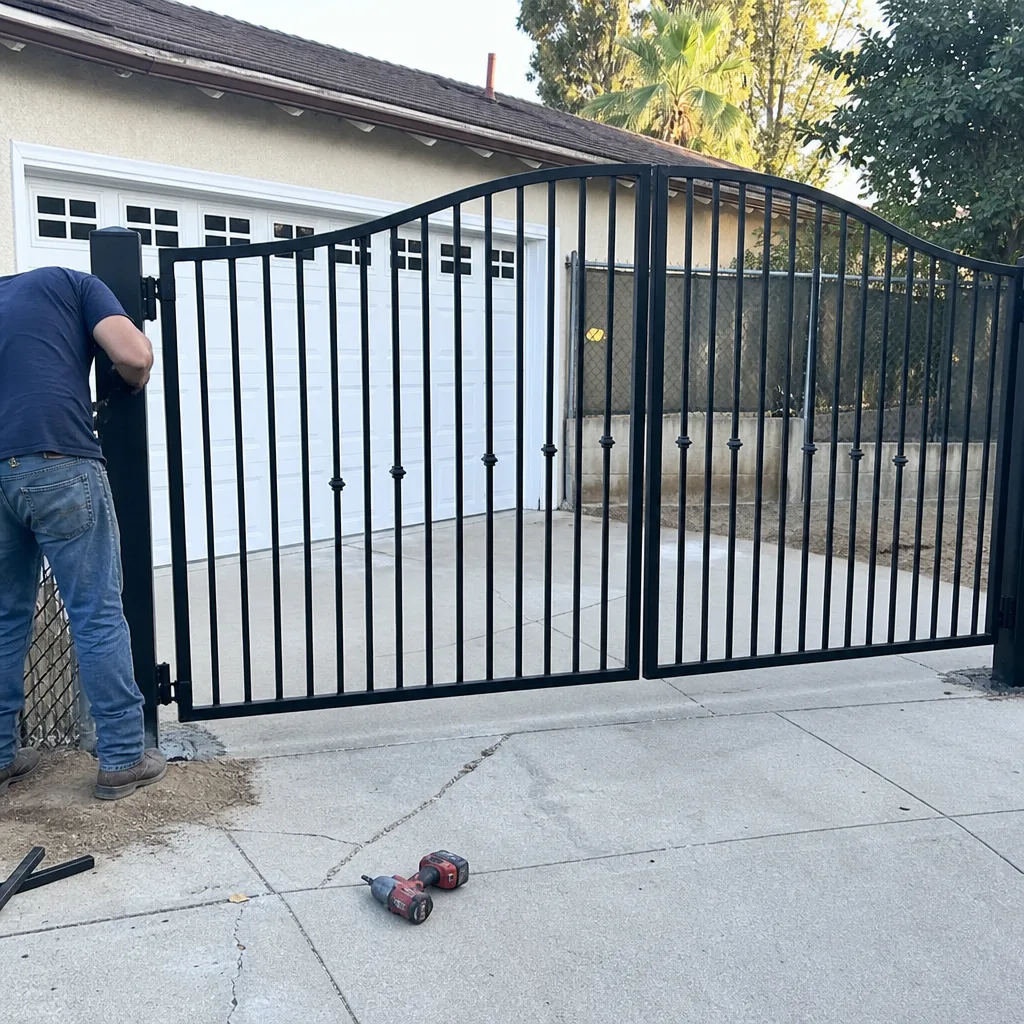 After
After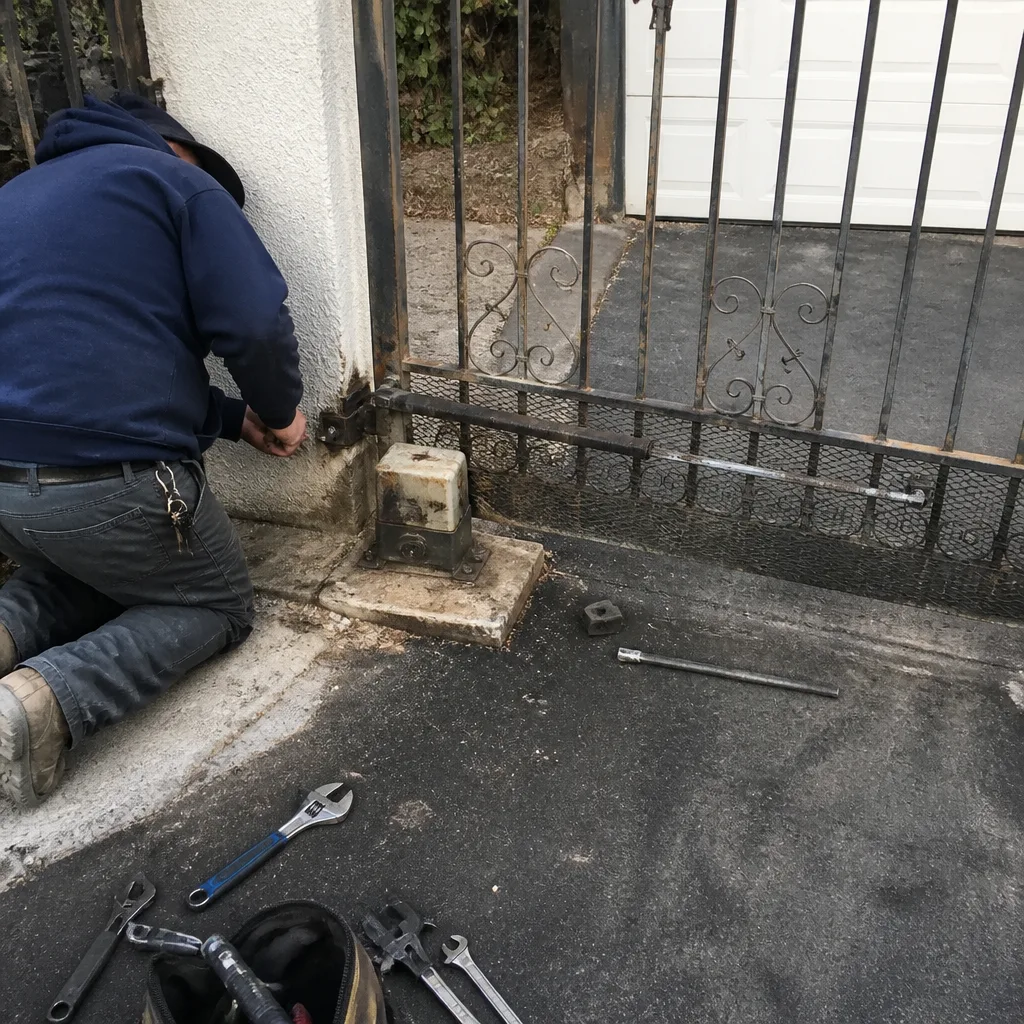 Before
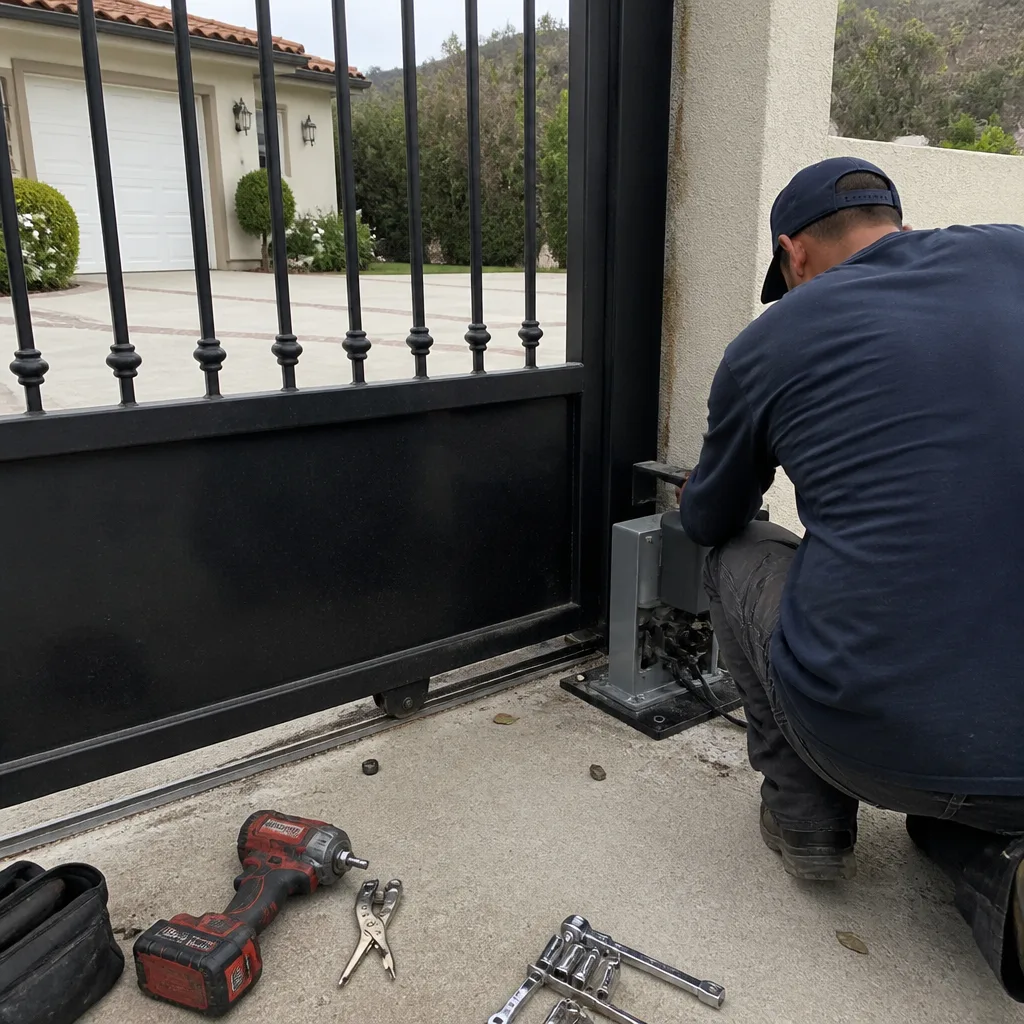 After
After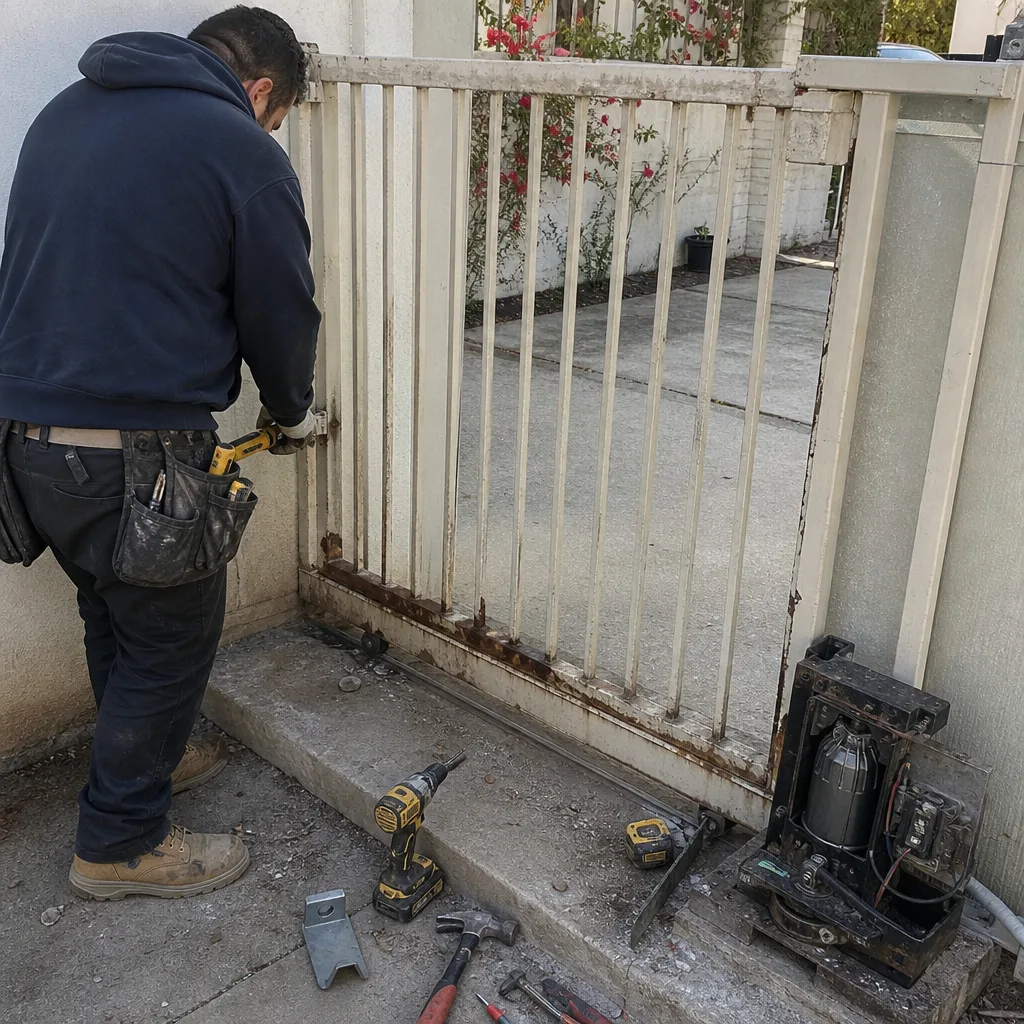 Before
 After
After